
This is the third and final installment of my wife’s posts on part of her journey. She may come back in the future with more posts. I would note that she and I remember parts of this story differently. I think that’s normal, given what I understand about humans and memory. While we disagree on a few details, we agree on the gist of the story as a whole. We lived it.
In my last post, I shared how I learned to be a people-pleaser. I also shared a story about a pastor who controlled the lives of those who worked for him and the day I finally stood up to him.
Some of you felt like I left you hanging. So let me finish the story.
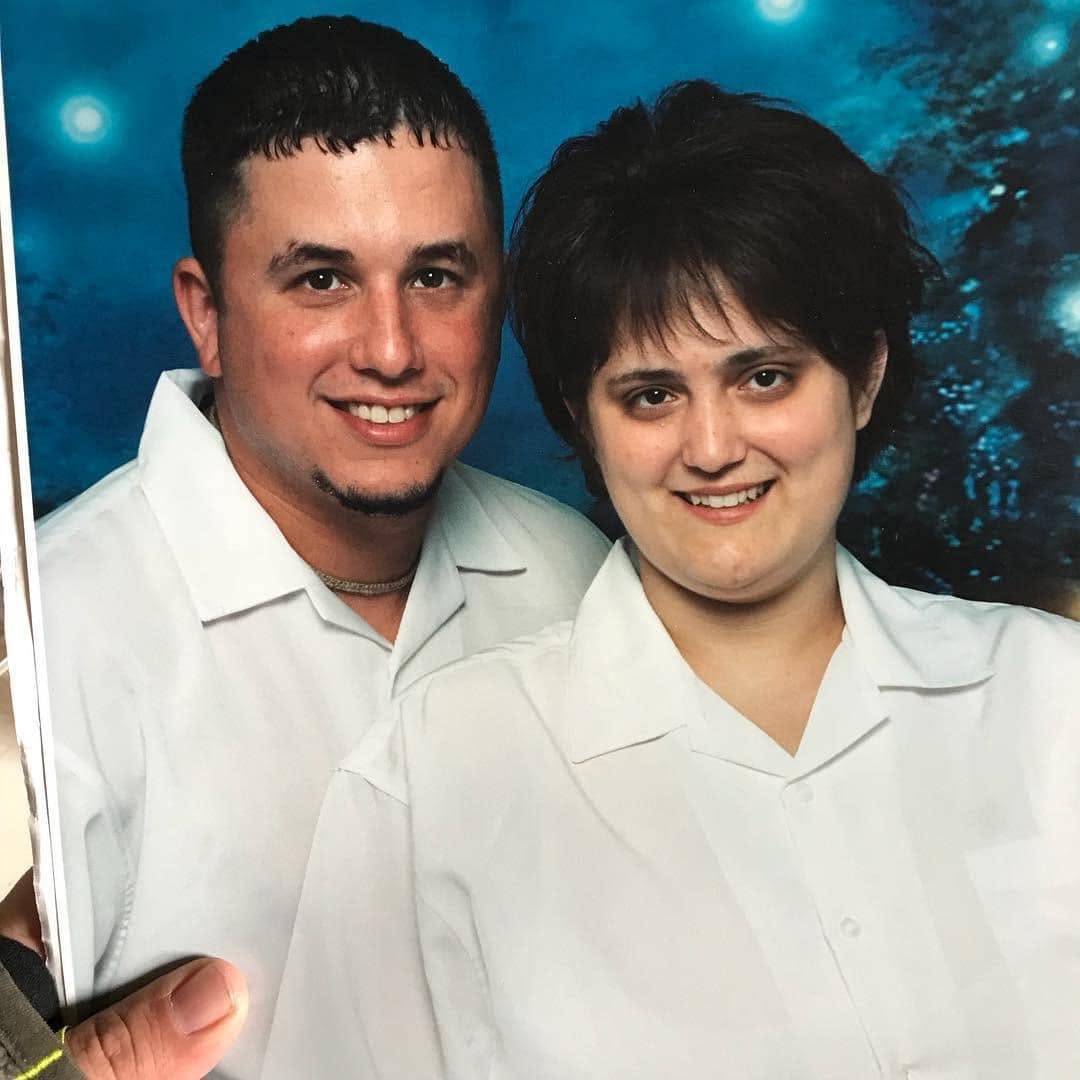
As I mentioned before, my husband, Joe, was the athletic director, soccer coach, and Bible teacher at a Christian school in Fairfax, Virginia. I worked as the secretary of the athletic department.
So what could we have possibly done to warrant being fired?
Glad you asked.
A member of the church happened to mention to the pastor that he was glad the new student ministries pastor’s ordination wasn’t being held on a Friday night because no one would attend with all the sporting events going on.
Well, apparently, the pastor took that as a challenge.
He changed the ordination from Sunday to Friday night and ordered all sporting events to be canceled.
There was just one problem.
The school we were scheduled to play was celebrating its 20th anniversary, and Joe had just confirmed that our team would be there. The school had already made arrangements for the celebration, and Joe didn’t feel it was right to cancel on them.
So Joe told the pastor he couldn’t do that. He had made a commitment, and he intended to honor it.
The pastor didn’t appreciate being challenged.
As a result, Joe was fired. But it didn’t stop there. I was fired, along with two of our friends who had been associated with us.
After a few conversations, including Joe threatening legal action, we were eventually called back into the pastor’s office.
Apparently, we had served our punishment and were now being given the opportunity to have our jobs back. Joe thinks it was because he had made it clear that he had not violated his contract and was willing to fulfill his obligations, but the church and school had violated theirs.
Everyone else agreed to return.
I said no.
And for the first time in my life, I told someone in authority exactly what I thought about the way they treated people.
To be honest, I didn’t think much about the consequences or the financial impact that day. It felt good to finally stand up for myself.
But to understand why I finally stood up to this man, I need to give you a little backstory.
When we arrived in Fairfax, Virginia, we had only been married seven months. We were young, broke, and without health insurance. Joe was 25, and I was 21.
Shortly after moving to Virginia, we found out we were expecting our first child.
Unfortunately, at our first ultrasound, we were informed there was no heartbeat.
How could this be? I wondered.
I couldn’t accept it. My belly grew bigger, my sickness increased, and I was convinced the doctors must be mistaken.
They were not.
At 12 weeks, I lost our baby.
It was the middle of the night when I began having contractions and started hemorrhaging. Our bedroom and bathroom looked like a crime scene. This went on for hours. By the time it stopped, I was exhausted.
Joe woke up the next morning and saw the horror. He had no idea we had lost our baby that night.
We called the doctor and explained what happened. She suggested I go immediately to the emergency room.
Joe called into work and prepared to take me to the doctor. About an hour later the Head Master called and told Joe that he had talked to the pastor about the situation and they had a big Alumni game coming up where Joe would be needed. He was informed that he could either come to work or be fired.
Joe went to work.
The principal was a sweet older lady who was retiring at the end of the school year. She was appalled to hear that Joe had been given the choice between taking his wife to the ER and losing his job.
She willingly took me to the hospital.
Now, before anyone judges Joe for going to work that day, I want you to understand something.
Joe had also grown up in an abusive and controlling environment. Standing up to authority, especially a pastor, was not something either of us had been taught to do.
We had learned to obey, respect authority, and not question those in leadership.
Joe took his responsibility to provide for our family seriously. We were young, broke, and financially vulnerable. Losing our only source of income was terrifying.
I didn’t resent Joe that day. I understood his fear. I knew he wanted to be with me. He simply felt he had no other option.
If anything, I felt sad.
It reminded me of the little girl who had learned to remain in the background. The little girl who had to figure things out on her own. Who had to pretend she was tough. She was strong. She was independent.
I had lost a lot of blood that day and was put on bed rest for the next several weeks. During this time, Joe was expected to continue his job duties while I stayed home in bed.
I was angry with God. I had never been so depressed in my life. I couldn’t make sense of it all.
Why were we being treated so horribly?
Why did God take our baby?
It didn’t take me long to realize, while living in Virginia, that the very skills I had learned to cope with my childhood were actually becoming my greatest weaknesses.
I began to realize this shortly after completing bed rest.
You see, I didn’t want Joe to know I was depressed or sad. After all, I had learned my whole life to handle my own emotions. Showing them meant someone could use them against me. Being vulnerable meant giving someone the opportunity to hurt me.
So I did what I had always done.
I pretended I was okay.
One day was particularly emotional for me. I wanted to cry. But I didn’t want Joe to see me cry. I didn’t want to burden him with my pain.
So I did what I did best.
I put on my fastest running shoes and prepared to flee.
I needed to avoid the pain.
But Joe didn’t want me to run from it. He wanted to be part of my pain. He wanted us to grieve together.
And to be honest, I resented him for it.
I wanted to pretend. I wanted to be okay. I wanted to handle it myself.
That day, I grabbed my keys and left the house. Joe followed me out to the car and said something I will never forget.
“I lost our baby too, Erica. I am not going to chase you. I want to do this with you, but I won’t make you.”
I didn’t know what to do.
I stopped.
I cried.
I felt vulnerable. I felt weak.
Could this husband of barely a year use these emotions against me? Could I really trust him with the parts of me I had spent my entire childhood trying to hide?
It felt unsafe.
You see, I had spent my childhood learning how to survive by being strong, independent, and emotionally guarded. I knew how to take care of everyone else. I knew how to push my own feelings aside.
But I didn’t know how to let someone love me through my pain.
I was comfortable taking care of other people’s pain, but uncomfortable allowing someone to take care of mine.
Think about that for a moment.
The very behaviors I had learned to protect myself as a child were now interfering with my ability to experience the love and security I wanted as an adult.
I had learned how to survive, but I hadn’t learned how to be vulnerable.
And I was going to have to learn.
Looking back, losing our baby caused me to evaluate my life. Perhaps, even though I didn’t recognize it then, I was tired of being controlled. I was tired of people controlling me.
I was angry. I felt like I had nothing left to lose.
My baby was dead. Suddenly, whether or not I finished my contract as the secretary of the athletic department didn’t seem nearly as important.
I no longer cared what the pastor or anyone else thought of me.
For Joe, it was different.
And there’s a question that came to mind as I was writing this story.
Why was Joe able to stand up for a commitment he made to another school, but felt he couldn’t stand up for himself when I needed him?
That’s a great question.
Maybe one day Joe will write about this experience and give you his perspective.
To be honest, I don’t know.
My guess is that the financial consequences were simply too much to bear.
While choosing to take me to the hospital that day seemed like the right decision, I think to Joe it also felt like the wrong one.
What would we do for income? How would we pay our bills? Where would we go?
We were 25 and 21 years old. We didn’t know then what we know now.
We were used to being under the control of others. We had both grown up in environments where challenging authority came with consequences.
But I think something began to change during our year in Virginia.
We grew increasingly tired of being threatened. Tired of being afraid of losing our jobs. Tired of feeling like someone else had the power to dictate our lives.
And perhaps that’s what eventually gave us the courage to stand up.
Not because we suddenly stopped being afraid.
But because we were finally becoming more afraid of continuing to live that way than of what might happen if we said no.
Joe finished his contract because financially, we needed him to. I prepared for our next move.
I am not going to sugarcoat it. Life was hard when we first got married. We were two damaged people trying to do life together. It was not easy, and it only got harder.
But every experience continued to shape us.
The experience in Fairfax taught me something my childhood never did.
It didn’t matter how nice I was, how helpful I was, or how much I tried to please others. I couldn’t keep the abuse away. If anything, my people-pleasing was seen as a weakness to exploit.
You see, growing up with my brother, I learned that keeping the peace was my responsibility.
I learned to be quiet, helpful, and agreeable. I didn’t want to add to my mom’s pain. I thought if I could just be good enough, I could somehow protect the people I loved from being hurt.
But here I was, hundreds of miles away from my childhood home, married and starting my own life, and once again living under someone who used fear and control to get what he wanted.
My brother and that pastor had a lot in common.
They both used fear and control to get what they wanted. They both demanded respect while showing very little respect to others. And both made me feel as though my thoughts, feelings, and needs didn’t matter.
But there was one important difference.
I was no longer that little girl who had to live in fear.
As a child, I couldn’t change my circumstances. I couldn’t make my brother stop hurting the people I loved. I couldn’t control his behavior, so I learned to control mine.
And for years, I carried that same behavior into adulthood.
Fairfax taught me that no amount of people-pleasing could control someone else’s behavior. It didn’t matter how good I was or how much I tried to keep everyone happy. I couldn’t prevent someone from mistreating me.
But it also taught me something else.
Being strong didn’t mean I had to do everything alone.
For most of my life, I thought strength meant hiding my emotions, taking care of everyone else, and never allowing anyone to see me struggle.
I thought being independent meant I didn’t need anyone.
But that wasn’t necessarily strength.
That was how I had learned to survive.
I had to learn that having emotions didn’t make me weak. Saying no didn’t make me selfish. And allowing someone to love me through my pain didn’t mean I was giving them power over me.
You see, the very behaviors that helped me survive my childhood were now interfering with my ability to live the life I wanted.
I had left my childhood home, but I was still carrying that little girl with me.
The one who was afraid to disappoint. The one who was afraid to cry. The one who believed her value came from what she could do for everyone else.
And healing meant learning that I didn’t have to be that little girl anymore.
I could have a voice. I could have emotions. I could be loved without having to earn it.
And I could finally stop being a pawn in someone else’s game.
You see, this story isn’t really about a controlling pastor. It’s about two young people who grew up in controlling environments, fell in love, got married, experienced tremendous grief, and slowly began learning that they didn’t have to live in fear anymore.
We were two wounded people trying to build a healthy marriage without fully understanding how much our childhood experiences were influencing our decisions.
I was learning that I didn’t have to please everyone to be loved. Joe was learning that he didn’t have to live under the control of others. And together, we were learning that being strong didn’t mean we had to face life’s hardest moments alone.
We didn’t figure it all out in Virginia.
Not even close.
But something began to change.
We were beginning to find our voices. We were learning to trust each other with our pain. And we were discovering that the things we learned to do to survive our childhoods weren’t necessarily the things that would help us build the life we wanted.
Our next move created an opportunity I never imagined. But while I was beginning to find my voice, the beliefs I had developed about myself as a little girl continued to influence nearly every decision I made.
And I still had a lot of healing to do.
You see, leaving the environment that hurt you doesn’t mean you leave behind everything you learned while living there.
Sometimes the hardest part of healing isn’t getting away from the people who hurt you. It’s learning that you no longer have to live as though they still have control over you.