
I’ve been writing about grief a bit lately. It hasn’t been intentional, per se. I actually had other topics outlined and scheduled. But as is often the case with writing, one post led to another, which led to another idea.
You can listen to the first episode on grief here. In that episode, I explore what it means to live fully while grieving.
Then I wrote a blog post about how you can help a friend who is grieving. You can read that here.
After that piece, I heard from quite a few people who felt like others expected them to grieve in a straight line. That led to this post, where I wrote about the reality of grief being a chaotic mess. You can read it here.
That led to this message from a friend. I’m sharing it exactly as I received it:
“Thank you for what you wrote about grief today. I think it is very misunderstood, and perhaps only experience can truly teach. Grief changes depending on the relationship. The way I grieved the loss of my grandparents, an aunt or uncle, or even a friend, is so much different than grieving my child. I appreciate everything you said in your article. The only thing I wrestle with is the word ‘healing’. I don’t know how true healing occurs when something is cut from your life. It is like losing a limb. Sure the wound heals and you keep living, but you are never the same. The limb doesn’t come back. You learn how to carry on without, whether you want to or not. And somehow, sometimes, it feels like the limb is still there. You feel something even though the absence of that very thing tells you that isn’t possible. I’m not disagreeing…just offering a perspective. I don’t even know if it makes sense. It makes sense in my head.”
I think this brings up an excellent question that I want to try to tackle in this post: What does it mean to heal? When a proverbial nuclear bomb is dropped on our world, and we experience something as immutable as the loss that comes with the death of a loved one, how do we heal?
I’m not sure I can add much to the thoughts from my friend. Losing someone is analogous to losing a limb. Life will continue, but it will never be the same. Whatever new normal comes, it will not be the same as the normal before the limb was lost.
I will often tell clients to imagine losing a leg. Their life will forever be altered by the loss of that limb. They will limp, and that’s not only OK, but it’s also to be expected. It doesn’t mean they’re defective. It does mean they’re not whole.
This reality of not being whole will be hard for the person experiencing the grief and for those around them. For the person grieving, every day will bring reminders that they are not whole. For the people around them, there will be the reminder that they are one phone call, one tragedy, one moment away from not being whole themselves.
That reminder can be unnerving. 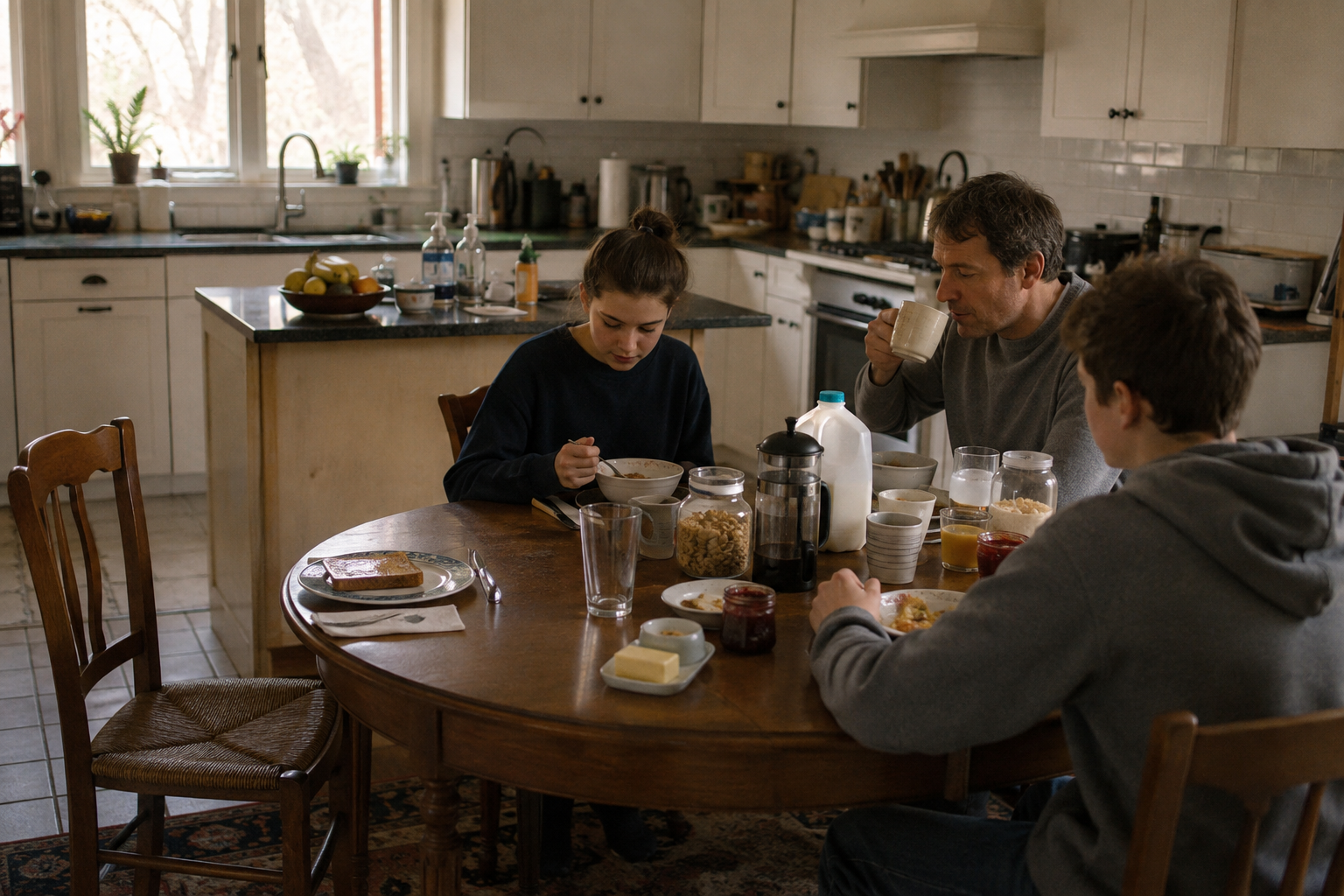
In these situations, you don’t go back to normal in the sense that you experience life the way it was. You learn to adjust to the new reality. The one where you are not whole. The world is not right, and there is no hope that it will be made right this side of the afterlife.
Healing will often mean that you carry on with your life to honor the gift that life is, yours, and to honor the memory of those you’ve lost.
In ancient times, someone once wrote that it is better to go to a house of mourning than to a house of feasting because that is the end of all of us.
Healing in the face of deep loss, especially the loss of a young person you love, will often look like a deeper understanding of what it means to live fully in the moment that we find ourselves in.
I’m not trying to make sense of death. I can’t do that. I’m certainly not trying to minimize the gaping hole that is left by the loss of a loved one.
I am trying to say that by enduring, continuing on, and making the most of the days we have, we honor those we’ve lost.
Death was never meant to be a part of the story. But it is, and there’s no simple or easy way to explain the indelible mark it leaves on us.
It doesn’t just wound us. It often scars us.
Worse, it all seems random.
Why this one? Why my loved one? Why my son? Why my daughter? Why my mom? Why my dad?
Why am I going through this? Why me?
Truthfully? I don’t have any answers to those questions. Anyone who says they do is a lying charlatan who is trying to sell something.
I do know that survivors are left with a hole and a deeper awareness of how quickly things can turn.
Healing often looks like learning to suck the very marrow out of the life you have after you’ve lost your loved one. Thank you, Mr. Thoreau.
We can’t go back, so we look back with both fondness and regret.
We learn to accept.
Acceptance doesn’t mean the aching goes away. It means we learn to choose our future with that ache fully present. We walk with the pain and love those still with us.
We recognize the brevity of life and how most of the things that spin us out don’t really matter in light of the closeness of death.
We choose who we are becoming intentionally. In so doing, we shape not only the legacy of those we’ve lost, but also our own legacy.
We are living with both grief and hopeful expectation.
So often, the depth of our pain is commensurate with the depth of the love we’ve lost. That pain allows us to have a wisdom that others may not have access to because they haven’t gone through it yet.
While remembering that there is no timeline to healing, We must use that wisdom to intentionally build the life that would honor those we’ve lost.